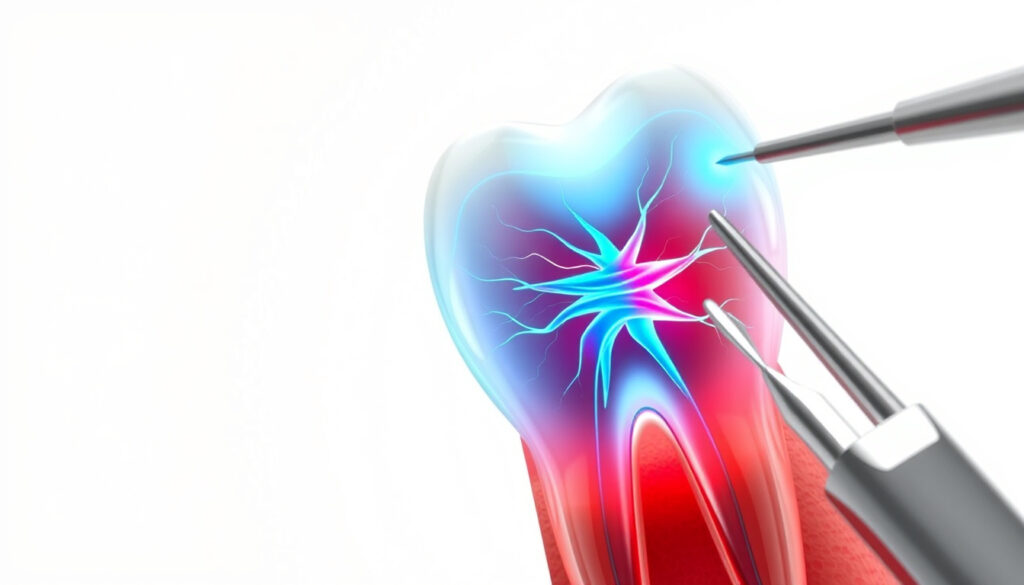
Kill Tooth Pain Nerve in 3 Seconds Permanently – What Really Works
Tooth nerve pain ranks among the most intense discomfort people experience, driving many to search for instant solutions. The claim that a tooth nerve can be killed in 3 seconds permanently circulates widely online, promising quick relief without a dentist visit. However, dental professionals consistently warn that no safe home remedy can permanently destroy a tooth nerve or eliminate pain that quickly. Understanding what actually works, what poses risks, and when professional care becomes essential can help anyone facing this painful situation make informed decisions.
The reality of tooth nerve pain involves the soft pulp inside the tooth containing blood vessels and nerves. When decay, cracks, or trauma expose this pulp, the resulting inflammation called pulpitis causes the sharp, throbbing pain that sends people searching for immediate fixes. While several home remedies can temporarily numb the discomfort, none address the underlying infection or damage that causes nerve pain to return.
How Do You Kill Tooth Nerve Pain Instantly?
When severe tooth pain strikes, the impulse to find rapid relief is understandable. Several methods claim to deliver near-instant results, though the effects vary significantly in duration and reliability. Understanding these options helps set realistic expectations before attempting any remedy.
While true 3-second permanent nerve elimination remains impossible at home, certain remedies can numb pain within seconds to minutes. These solutions provide temporary comfort only and do not treat underlying dental problems.
Key insights from dental professionals regarding tooth nerve pain management include:
- No home remedy permanently kills a tooth nerve or provides lasting relief from nerve pain
- Clove oil contains eugenol, a natural compound with demonstrated anesthetic properties in oral health research
- Saltwater and peroxide rinses help reduce bacteria but cannot eliminate infected pulp tissue
- Cold compresses numb the area temporarily but cannot reach internal tooth nerves
- Aspirin should never be applied directly to gums or teeth—it causes chemical burns
- Any home treatment exceeding 24-48 hours without improvement requires professional evaluation
- Tooth nerve pain that interrupts sleep or daily activities indicates urgent dental care needs
| Remedy | Speed of Relief | Duration | Evidence Level |
|---|---|---|---|
| Clove Oil | 3-30 seconds | 30 minutes – 2 hours | Supported by Colgate and oral health sources |
| Saltwater Rinse | 1-5 minutes | Temporary cleansing effect | General hygiene evidence |
| Cold Compress | 5-15 minutes | While applied, reduces swelling | Standard first aid approach |
| Hydrogen Peroxide Rinse | 1-3 minutes | Bacteria reduction | Endorsed by Colgate and Healthline |
| Garlic Paste | Variable | Antibacterial effect | Anecdotal support |
Can You Kill Tooth Pain Nerve at Home Permanently?
The promise of permanently eliminating tooth nerve pain at home appeals to anyone seeking to avoid expensive dental procedures. However, dental professionals across multiple sources consistently identify such claims as misleading or outright hoaxes. Understanding why these promises fail requires examining how tooth anatomy actually works.
Understanding Tooth Nerve Anatomy
Inside each tooth lies the dental pulp—a soft tissue containing blood vessels, connective tissue, and nerve fibers. When decay penetrates the outer enamel and dentin layers, bacteria reach this pulp, causing inflammation known as pulpitis. The nerve fibers within this pulp transmit pain signals that can become excruciating. According to the American Dental Association, no substance applied externally can reach this internal tissue to permanently destroy the nerve without professional intervention.
What Home Remedies Actually Do
Home remedies for tooth nerve pain work through two main mechanisms: numbing the surrounding area or reducing bacterial load in the mouth. Neither approach eliminates the infected pulp tissue inside the tooth. Clove oil, the most commonly cited remedy, contains eugenol—a compound with natural anesthetic and antiseptic properties. When applied to a cotton ball and pressed against the painful area, it can provide noticeable relief within seconds to minutes. However, the relief is confined to the external gum tissue and does not penetrate to the internal nerve.
Saltwater rinses clean the immediate area and may reduce some surface bacteria, but they cannot reach into the tooth chamber where infection resides. Cold compresses applied externally cause blood vessels to constrict, which numbs the area and reduces swelling. This provides temporary distraction from pain but cannot address the internal cause. Hydrogen peroxide rinses (properly diluted) can help manage bacterial overgrowth in the gums but similarly fail to reach internal tooth structures.
Aspirin and other pain medications should never be applied directly to teeth or gums. This practice causes chemical burns to soft tissue and can worsen damage to exposed nerves. Always swallow medications according to package instructions if using them for pain relief.
The 3-Second Permanent Relief Myth
Claims that clove oil or any home substance can kill a tooth nerve permanently in 3 seconds lack any scientific foundation. Multiple dental practices and dental information websites explicitly label such promises as hoaxes designed to generate clicks rather than provide genuine relief. Viral content exaggerates both the speed of relief and the permanence of results for promotional purposes. The numbing sensation from clove oil begins within seconds, but this temporary effect typically lasts between 30 minutes and two hours before pain returns.
Is There a Way to Stop Toothache Nerve Permanently?
Permanent relief from tooth nerve pain requires professional dental treatment. While this means visiting a dentist rather than relying on home solutions, the available professional options are highly effective and designed to eliminate both pain and its underlying cause. The Mayo Clinic provides comprehensive guidance on when professional intervention becomes necessary.
Professional Dental Procedures
Root canal treatment remains the primary method for saving a tooth while permanently eliminating nerve pain. During this procedure, a dentist or endodontist removes the infected or inflamed pulp from inside the tooth, cleans and shapes the root canals, then fills the empty space with a biocompatible material. A crown typically covers the treated tooth afterward. This approach removes the nerve tissue entirely while preserving the natural tooth structure.
Tooth extraction becomes necessary when the damage is too extensive for restoration. Removing the entire tooth eliminates the nerve pain source completely, though it creates other considerations like potential tooth replacement options. Desensitizing gels prescribed by dentists can help with less severe nerve exposure cases, though these address sensitivity rather than active infection.
When to Seek Emergency Dental Care
Certain symptoms indicate the need for immediate professional attention rather than continued home treatment. According to Cleveland Clinic, fever accompanying tooth pain suggests systemic infection requiring antibiotics. Facial or gum swelling, particularly if affecting breathing or swallowing, may indicate a spreading abscess. Difficulty opening the mouth or pain radiating to the jaw, ear, or neck can signal serious underlying issues. Numbness in the affected area, bad taste from draining pus, or pain severe enough to disrupt sleep all warrant same-day dental evaluation.
Dental professionals recommend using home remedies as brief bridges lasting no more than 24 to 48 hours while arranging professional care. Beyond this window, the risk of complications increases significantly.
What to Expect: Timeline from Onset to Professional Care
Understanding the progression of tooth nerve pain helps patients recognize when home care suffices and when urgency increases. WebMD offers additional timeline guidance for dental emergencies.
- Immediate onset (0-3 seconds): Pain triggers the search for quick relief. Home remedies like clove oil can begin numbing within this timeframe, providing temporary comfort.
- Short-term management (minutes to hours): Cold compresses, saltwater rinses, and over-the-counter pain relievers (taken orally) help manage symptoms while monitoring severity.
- Warning period (24-48 hours): Home care should only continue if symptoms improve or remain stable. Worsening pain, swelling, or fever during this period demands immediate professional contact.
- Professional intervention: Dentists can perform root canal therapy or extraction to permanently eliminate the source of nerve pain.
- Recovery and restoration: Following permanent treatment, patients receive specific aftercare instructions and timeline expectations for complete healing.
What Works Versus What Remains Unproven
When evaluating information about tooth nerve pain relief, distinguishing established facts from unverified claims helps protect both health and expectations. The Healthline dental resource center provides evidence-based information that can help readers verify claims.
Established Information
- Clove oil provides temporary numbing through eugenol content
- Home remedies cannot permanently kill tooth nerves
- Root canals effectively eliminate nerve pain while saving teeth
- Aspirin directly applied causes tissue damage
- Untreated tooth nerve issues can spread infection
- Dental professional intervention provides permanent solutions
Information Requiring Caution
- Specific timing claims (like 3 seconds) lack clinical validation
- Long-term effectiveness of herbal remedies varies individually
- Complete pain elimination without professional care remains unproven
- Some viral remedies lack scientific study
- Optimal dilution ratios for peroxide vary by situation
- Duration claims for natural remedies often extrapolated from limited data
Why Tooth Nerve Pain Requires Professional Attention
Tooth nerve pain rarely exists in isolation. The underlying causes—decay, cracks, trauma, or abscess—progress without treatment. What begins as sensitivity to hot or cold can develop into constant throbbing, swelling, and systemic infection. Home remedies address only the symptom of pain while the underlying disease continues advancing. Professional diagnosis identifies the specific cause and extent of damage, enabling appropriate treatment planning.
The economic motivation behind avoiding dental care is understandable, yet delaying treatment typically increases both complexity and cost of eventual care. A small cavity requiring a simple filling can progress to infection requiring root canal therapy and a crown, or ultimately extraction requiring bridges or implants. Early professional intervention usually costs less and preserves more natural tooth structure.
“No evidence supports 3-second permanent nerve death at home; remedies only mask symptoms temporarily. Viral claims online exaggerate relief times and permanence for clicks, ignoring risks.”
— Dental health professionals across multiple dental practice websites
For those comparing health conditions and remedies, exploring related health guides provides useful context for understanding how different health topics intersect with dental care decisions. Topics like 37.9 Celsius to Fahrenheit Fever Guide help readers recognize when elevated body temperature accompanying tooth pain signals the need for urgent professional attention rather than continued home management. Similarly, our 38.1 Celsius to Fahrenheit Conversion resource provides additional guidance on monitoring fever symptoms that may accompany dental infections.
Summary: Key Takeaways on Tooth Nerve Pain Relief
While no method can kill tooth nerve pain in 3 seconds permanently at home, temporary relief remains achievable through remedies like clove oil application, saltwater rinses, and cold compresses. These approaches provide valuable comfort while arranging professional dental care but cannot substitute for treatment that addresses underlying infection or damage. Professional options including root canal therapy and extraction offer the only path to permanent relief. The safest approach combines brief home symptom management with prompt professional evaluation, particularly when pain persists beyond 48 hours or accompanies fever, swelling, or difficulty functioning. Understanding this distinction protects both oral health and overall wellbeing.
Frequently Asked Questions
Does salt water kill tooth nerve?
Salt water cannot kill a tooth nerve. Warm saltwater rinses clean the mouth and may reduce bacteria on surfaces, providing temporary comfort and supporting gum health. However, the solution cannot reach internal tooth pulp where the nerve resides.
How can I numb my tooth nerve without seeing a dentist?
Temporary numbing options include applying clove oil to a cotton ball and pressing it against the gum near the painful tooth, using over-the-counter oral numbing gels, or applying a cold compress externally. These methods provide brief relief only and do not address the underlying cause of nerve pain.
Can aspirin kill tooth nerve pain?
Aspirin cannot kill a tooth nerve and should never be applied directly to teeth or gums. When placed against soft tissue, aspirin causes chemical burns that worsen damage. If using aspirin for pain relief, swallow it with water according to package dosage instructions.
What home remedy kills tooth pain instantly?
No home remedy kills tooth pain instantly or permanently. Clove oil provides the fastest temporary numbing effect, often within seconds, but relief lasts only 30 minutes to a few hours. All home remedies mask symptoms temporarily without treating underlying dental problems.
Does clove oil actually kill tooth nerve?
Clove oil does not kill tooth nerves. Its active compound, eugenol, has anesthetic properties that numb the surrounding gum tissue temporarily. The relief is superficial and short-lived, affecting only external areas near the application site rather than internal tooth structures.
How long can I use home remedies before seeing a dentist?
Dental professionals recommend using home remedies for a maximum of 24 to 48 hours while arranging a dental appointment. If pain intensifies, swelling develops, fever appears, or symptoms disrupt sleep or daily activities, seek professional care immediately regardless of timeframe.
What kills tooth nerve pain permanently?
Only professional dental procedures provide permanent relief from tooth nerve pain. Root canal therapy removes the infected pulp and nerve tissue while preserving the tooth. Extraction eliminates the problem entirely for severely damaged teeth. Neither procedure can be performed safely at home.
Is the 3-second tooth nerve cure a hoax?
Yes, claims about killing tooth nerve pain in 3 seconds permanently are widely considered hoaxes. Multiple dental sources confirm that no home remedy can achieve permanent nerve elimination. Such claims typically appear in viral content designed to generate clicks rather than provide accurate health information.
More related posts
 Liga Águila Positions 2026: Current Standings & History
 Toronto Raptors vs Brooklyn Nets: Player Stats & Game Info
 What Is a Narcissist? Traits, Signs & How to Spot One
 Death Stranding 2 PC – Confirmed March 2026 Release Date
 Base de Lit King – Dimensions, Types and Buying Guide
 Tesla Stock News Today: TSLA Price Surge Ends 8-Week Streak
 Detecteur Monoxyde de Carbone – Essential Safety Guide
 Prince William Kate Middleton – Cancer Remission Update